What a phone can do, and where it stops
In a housing, a phone is one of the simplest ways to get started. Like an action camera, it works in auto. What changes the photo is getting very close and using a filter or a video light.
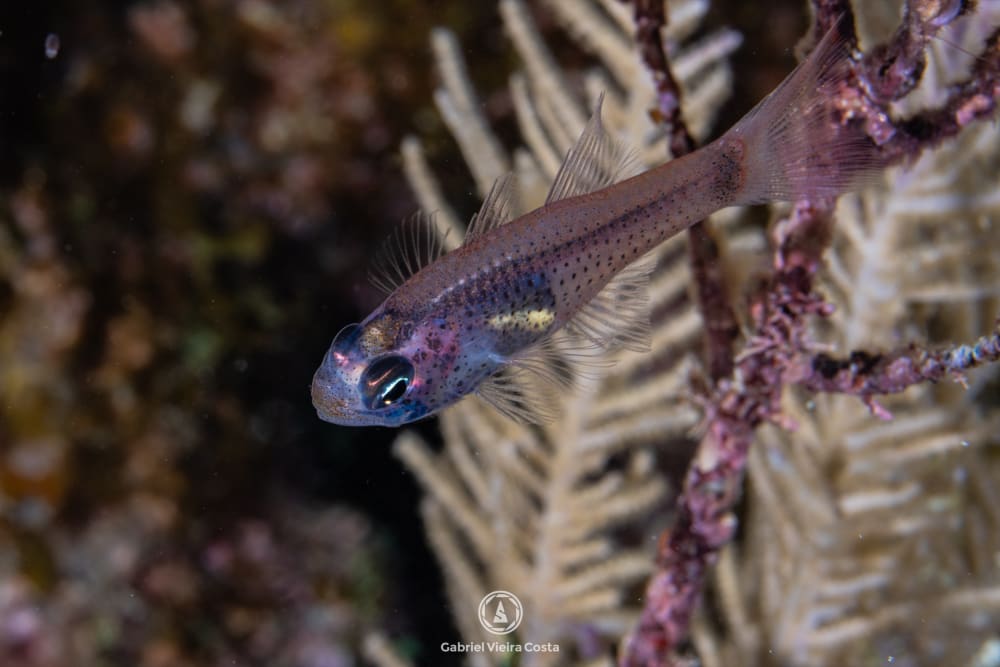
Without an external strobe, the sun lights the photo, and color fades with depth and with distance. For macro, a phone only gets there with a close-up lens.
The fundamentals are the same as for any camera. What changes is how much control you have.
The housing: the care that comes before the photo
Assemble the housing calmly, on a clean table, with time. Never on the boat in a rush: a rushed setup is the most common cause of floods.
If your housing has a seal, the O-ring, it must be clean. A single hair is enough to cause a flood. After closing it, do a leak test before the dive, and check the housing manual for the depth it is built to handle.
- On entry, don't jump in with the phone in your hand. Ask someone to pass it to you and clip on the lanyard before you let go.
- On exit, hand up the camera first.
- After the dive, rinse in fresh water. Dried salt jams buttons.
- If water gets in: ascend calmly with the port facing down, switch it off, and don't turn it on to test it.
Depth and light: stay shallow
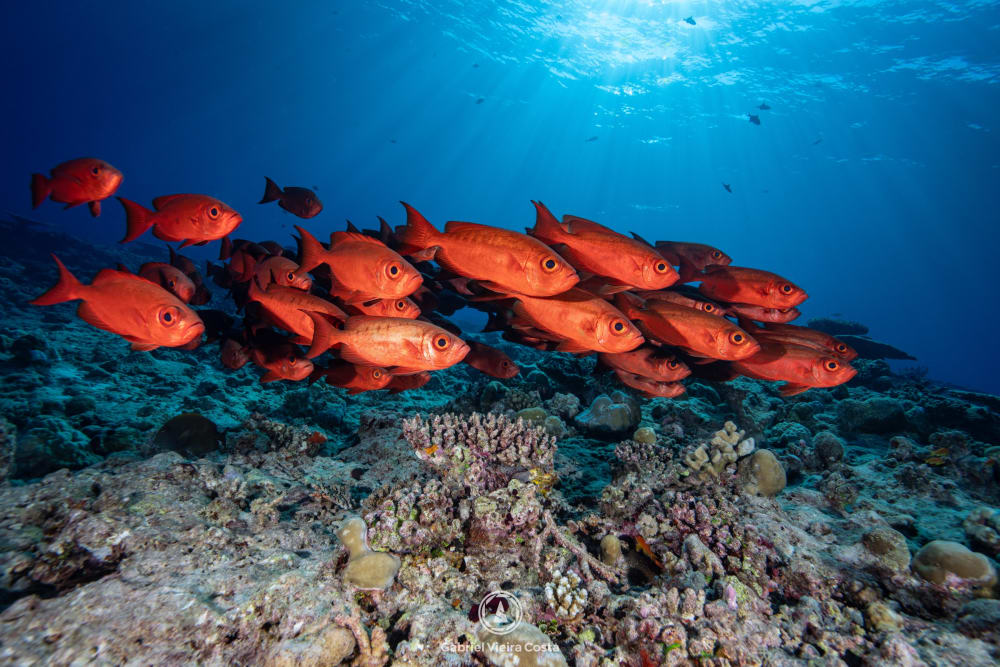
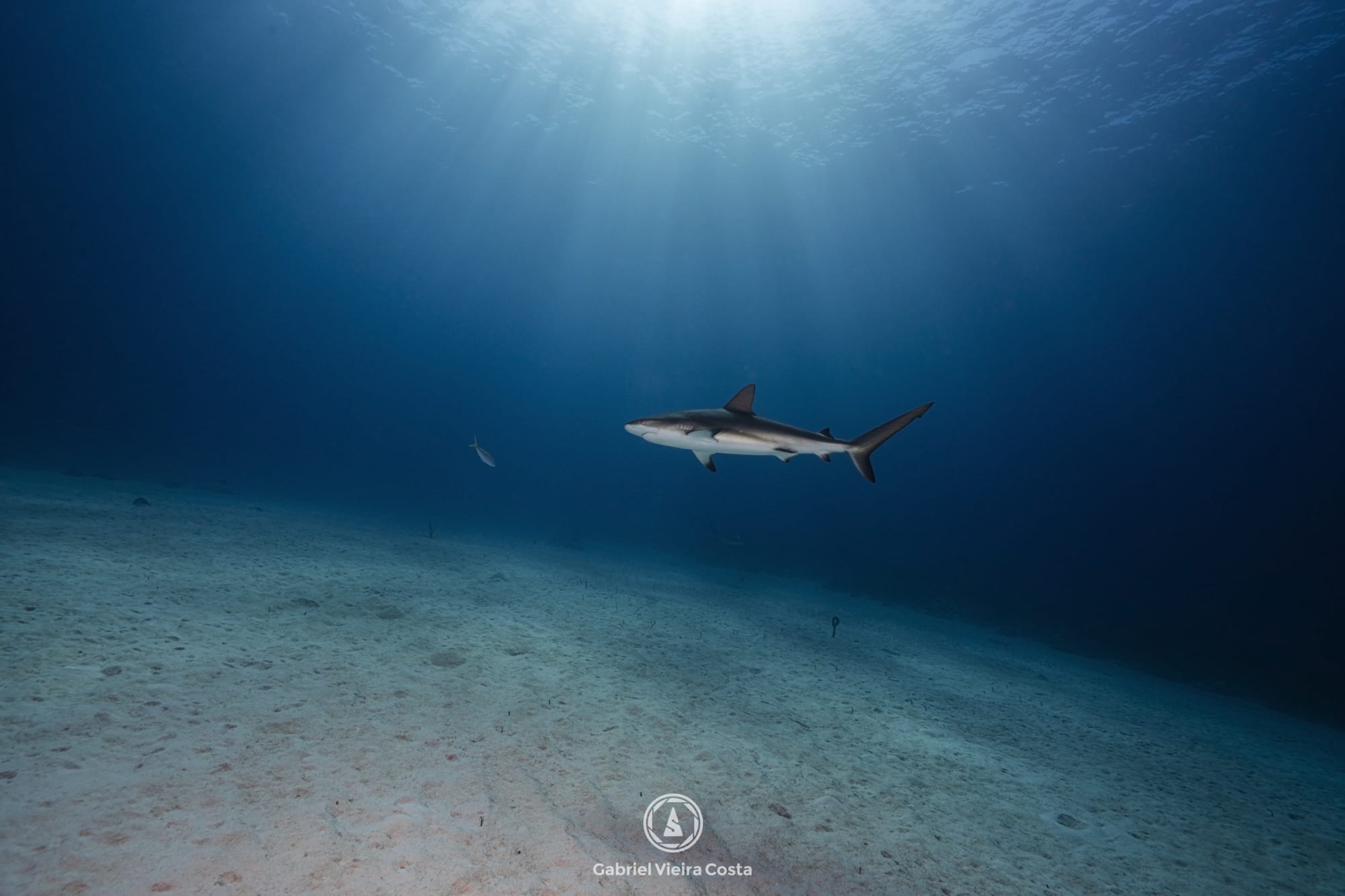
Without a strobe, color depends on the sun. It does the most for you down to about ten meters (33 feet), with the sun high, between 10 a.m. and 2 p.m., and coming from behind you. With a low sun, much of the light reflects off the surface and never gets in. Rough seas scatter what does.
Deeper than that, the photo comes out blue, and that is physics, not a phone fault. There, a filter has no color left to recover, and foreground color only comes back with artificial light, up close.
Settings that still matter
Even in auto, a few controls make a difference when your phone lets you use them with the housing closed.
- Manual white balance: point at light sand or a white slate, at the depth where you will shoot, and measure there. Change depth, measure again.
- Filter: red brings back some color in blue water. For green water, magenta works better. Best in shallow water with sun.
- A locked maximum ISO, so the image doesn't get grainy.
- RAW, if available: it keeps all the color information and lets you redo white balance when editing.
- The rule-of-thirds grid turned on.
Get close, shoot from below, and flip the game
Less water between the lens and the subject means more color, more sharpness, and fewer particles. With no strobe to make up for distance, this is the rule that matters most on a phone. Move in slowly, without touching anything.
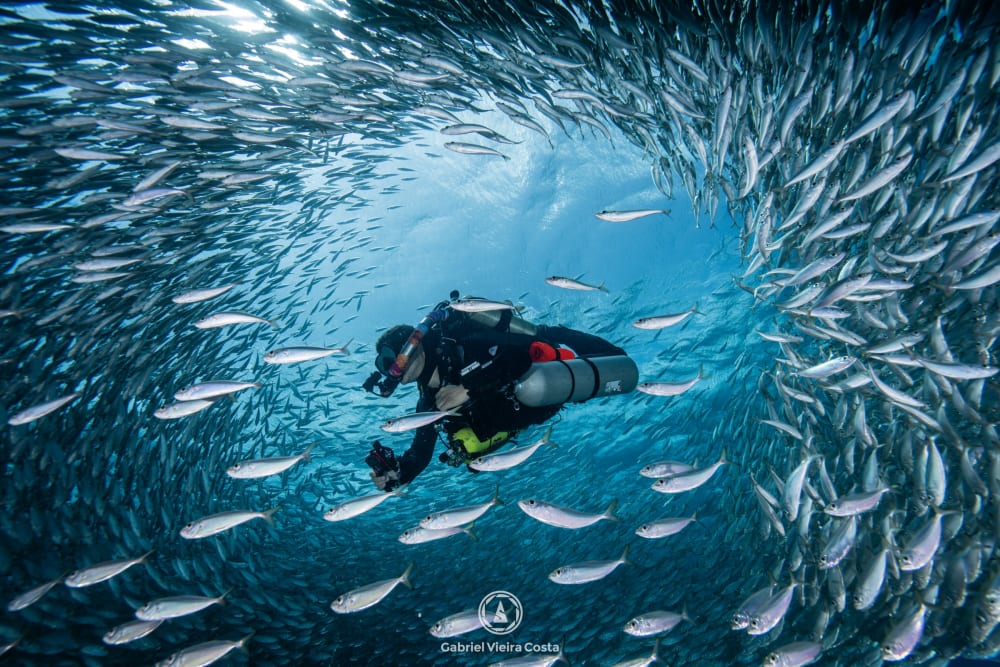
Shooting from below, the subject stands out against open water. Against the sun, it becomes a silhouette: no color or strobe needed, and it is one of the most beautiful photos you can make with any camera.
Try vertical. Almost every beginner photo is horizontal, because the housing is horizontal. Turning the camera is the cheapest composition change there is, and it is the shape of a phone screen.
Video light and safety
On a phone, the filter or a video light takes the place of a strobe. A video light only brings color back up close: it travels to the subject and back to the lens, so distance counts twice.
The camera steals your attention, and a phone is no exception. Every time you change subjects, check your air, depth, and time. And tell your buddy before the dive that you will be stopping a lot.
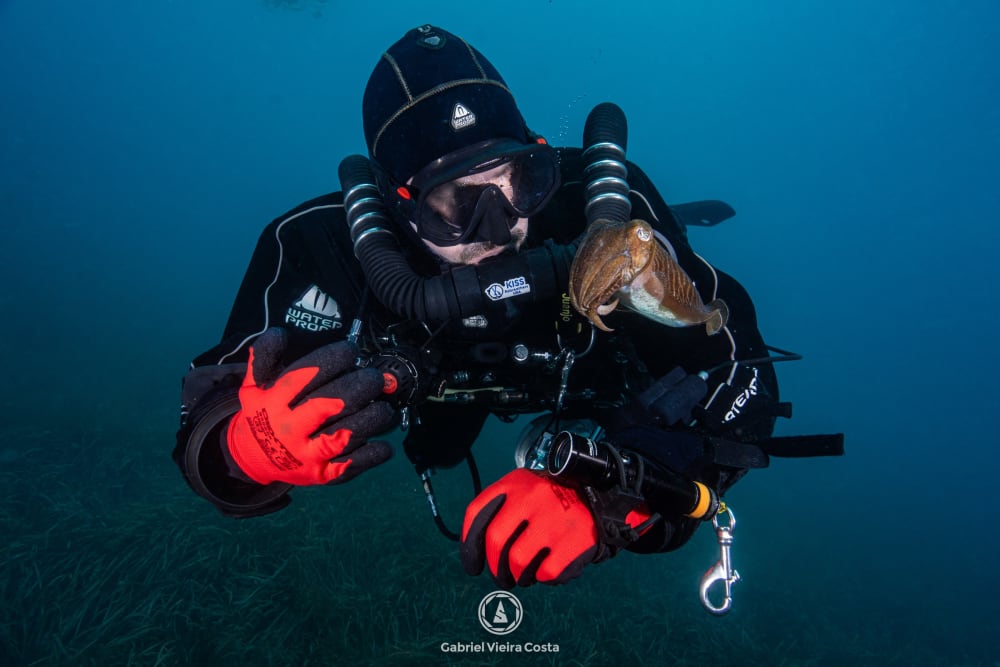
Don't touch, don't chase, don't feed. The animal decides the distance.
By Gabriel Vieira Costa, underwater photographer, World Top 10 at 35AWARDS 2025 and 2026 and SDI/TDI Instructor Trainer.