What an Isotta housing is
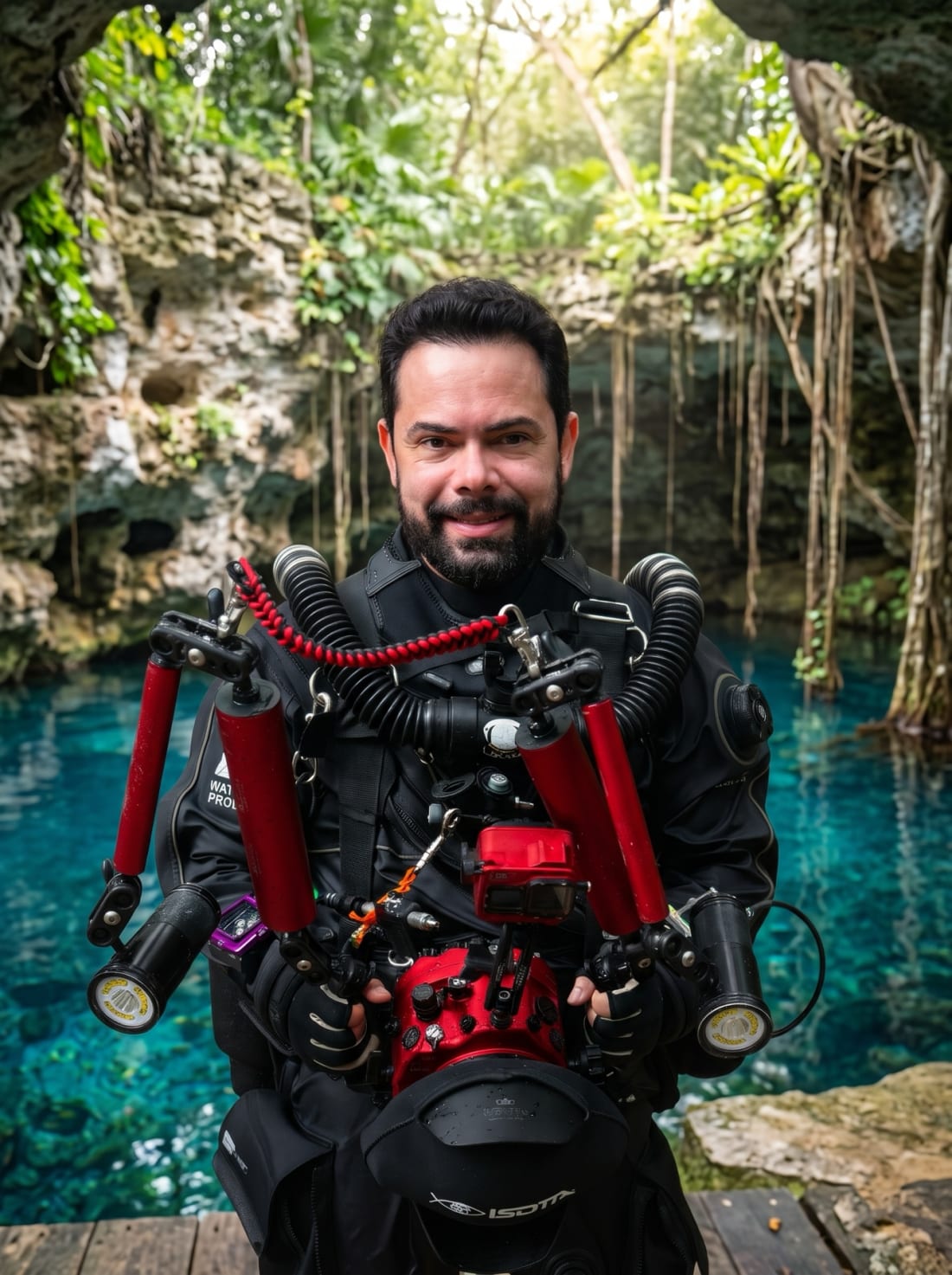
It is an Italian underwater housing, machined from aluminum and anodized in the red that became the brand's signature. Each housing is made for one camera model and brings every control outside: aperture, shutter speed, ISO and focus stay at your fingertips without letting go of the handles.
The story starts in 1967, when Egidio Isotta, aged 18, opened the Foto Isotta studio in Lazise, on Lake Garda. In 1980 came the Isomat 33, the brand's first underwater flash, and in 1982 he and his wife, Lilia, founded Isotecnic. The housings are still designed and made in Italy.
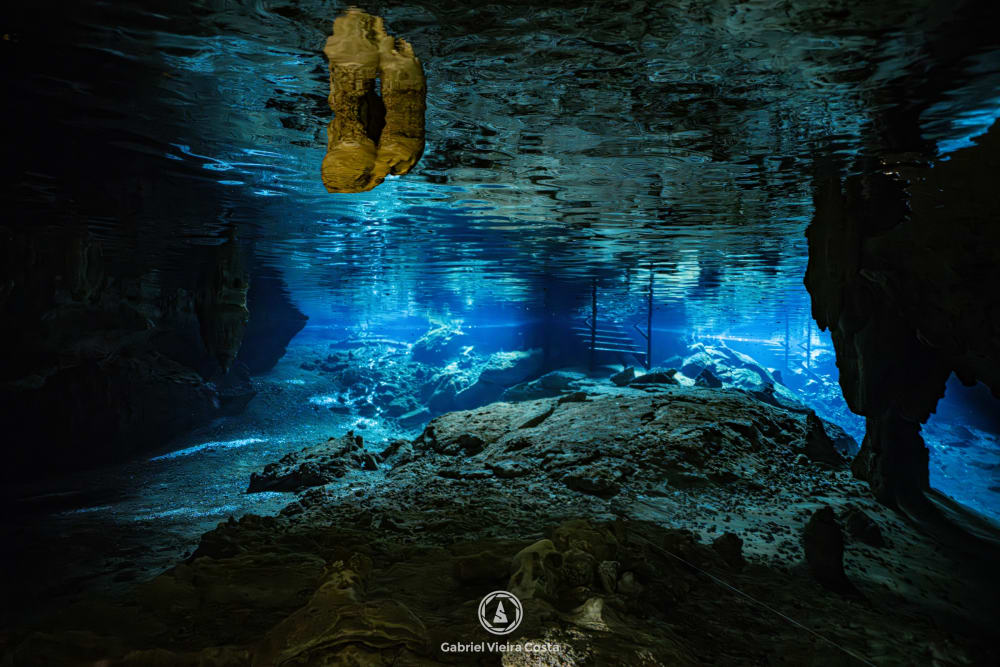
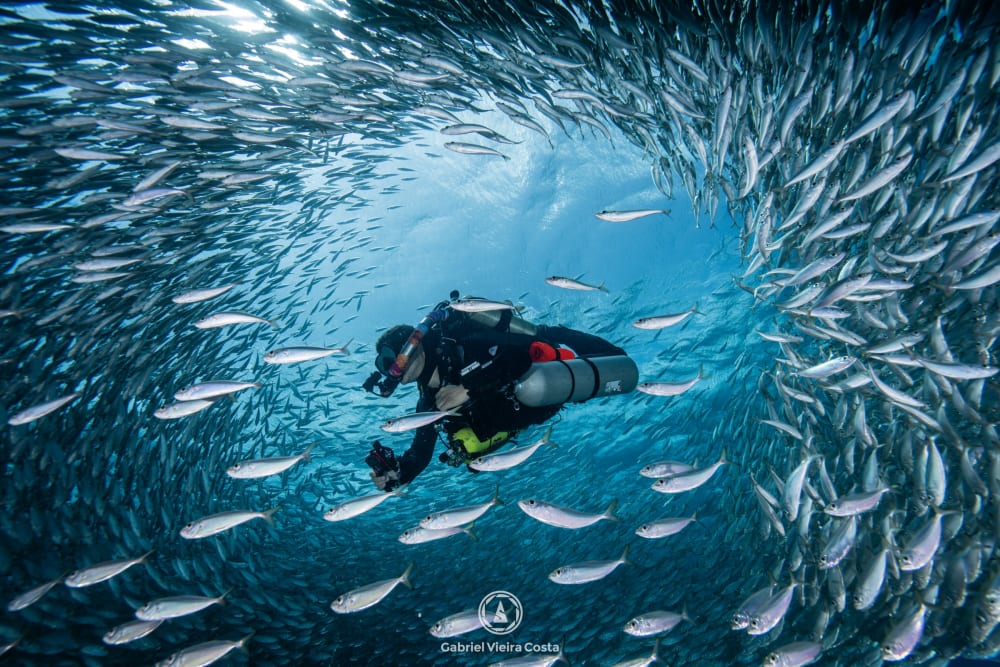
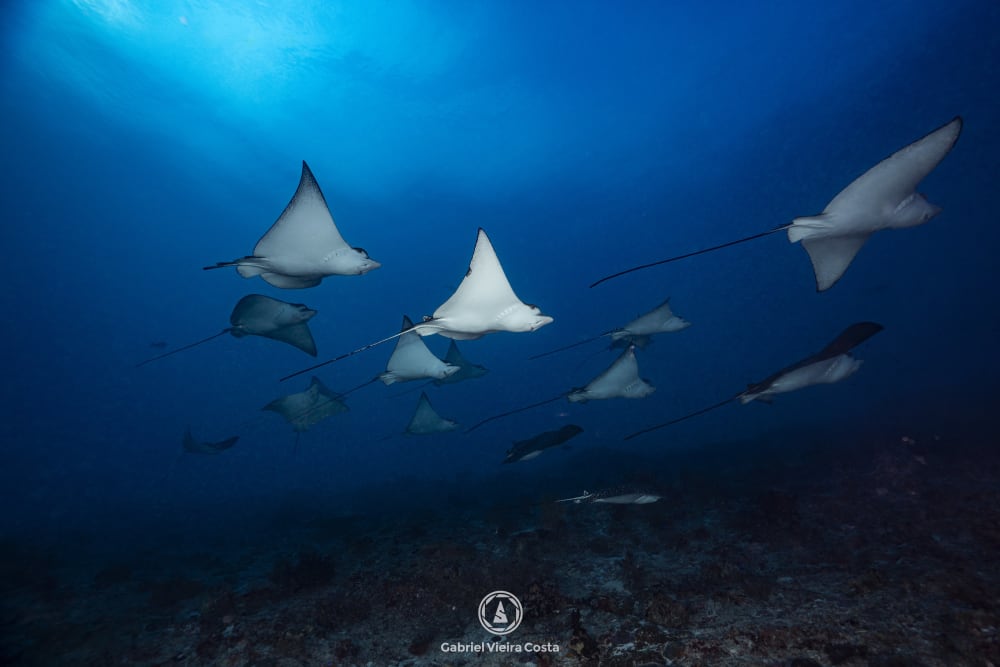
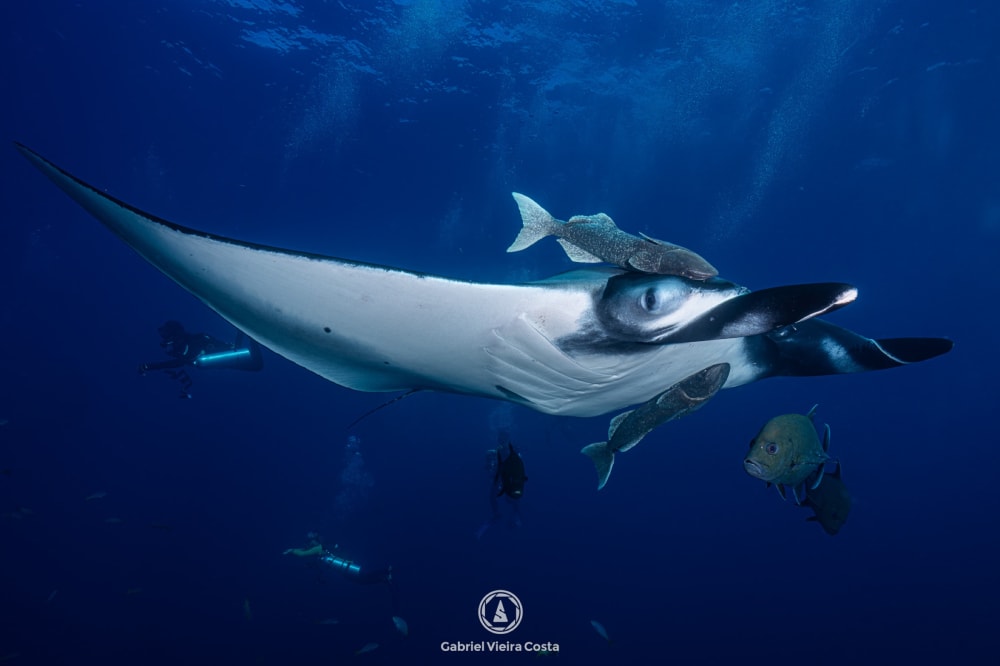
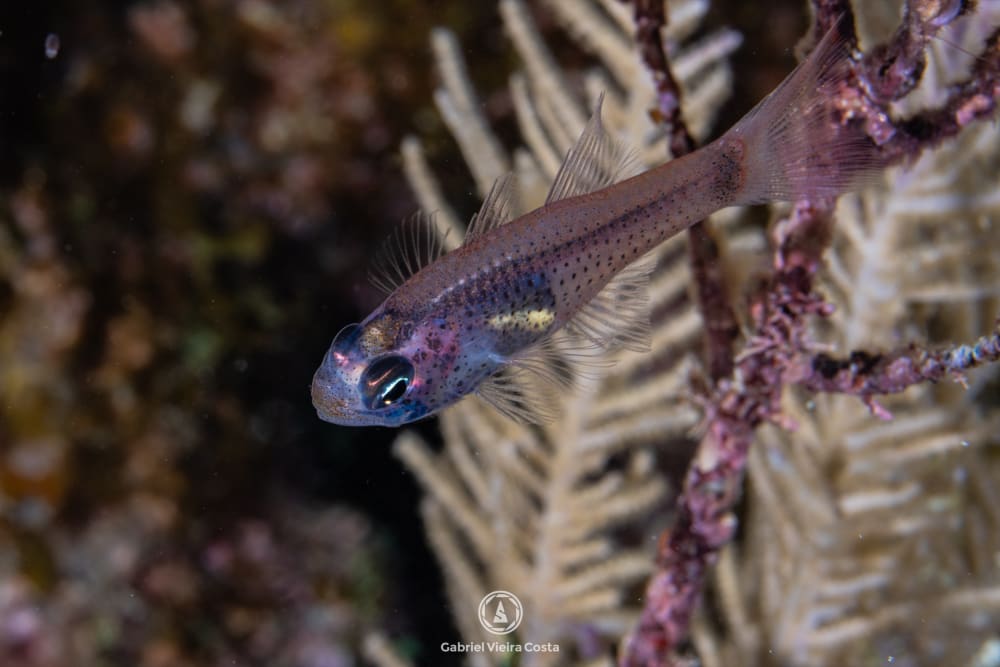
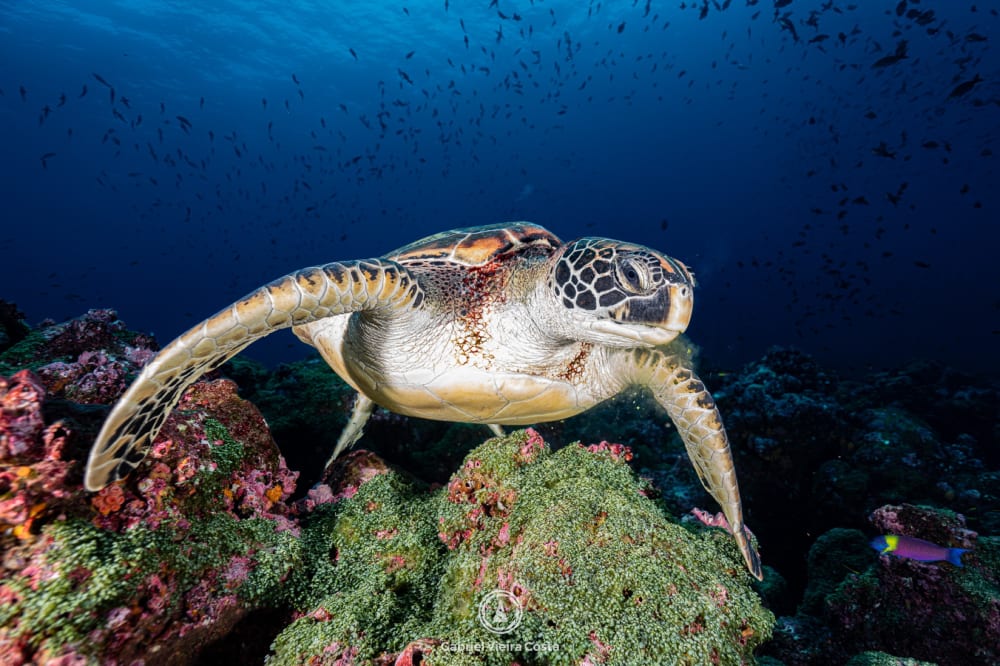
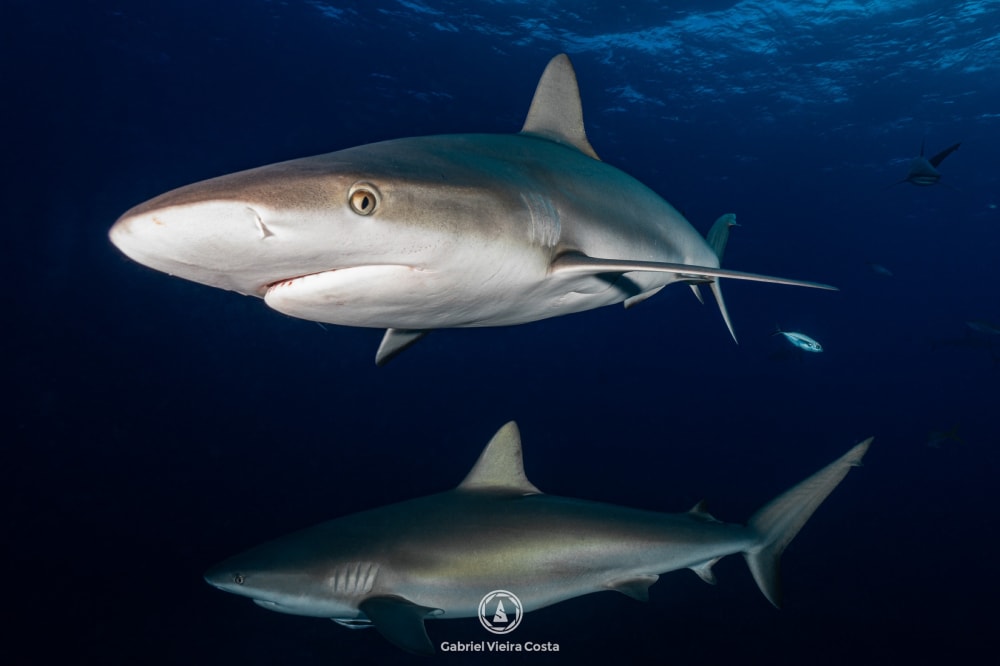
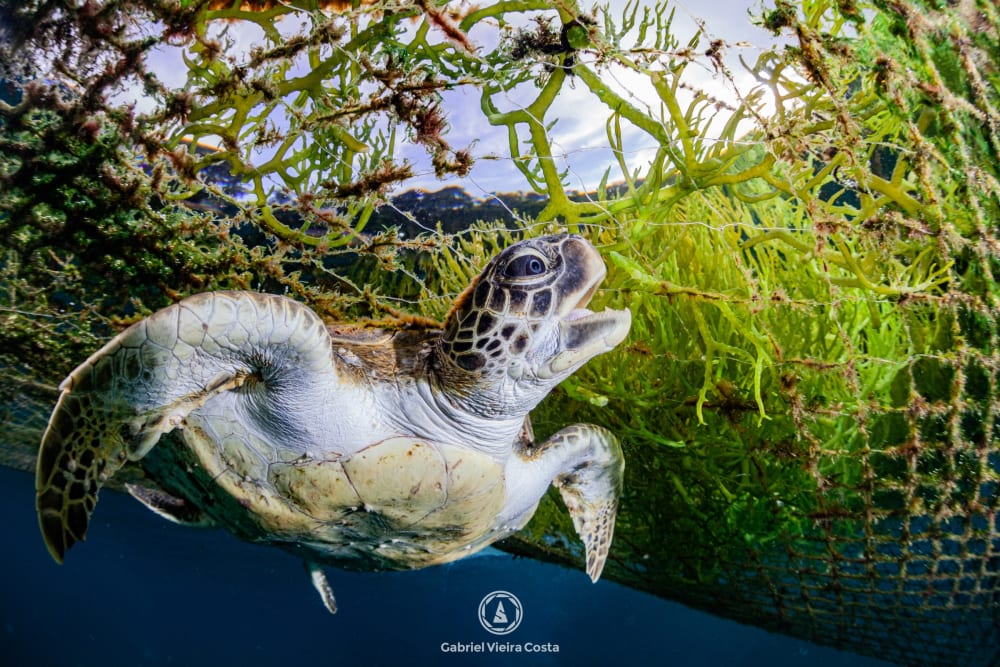
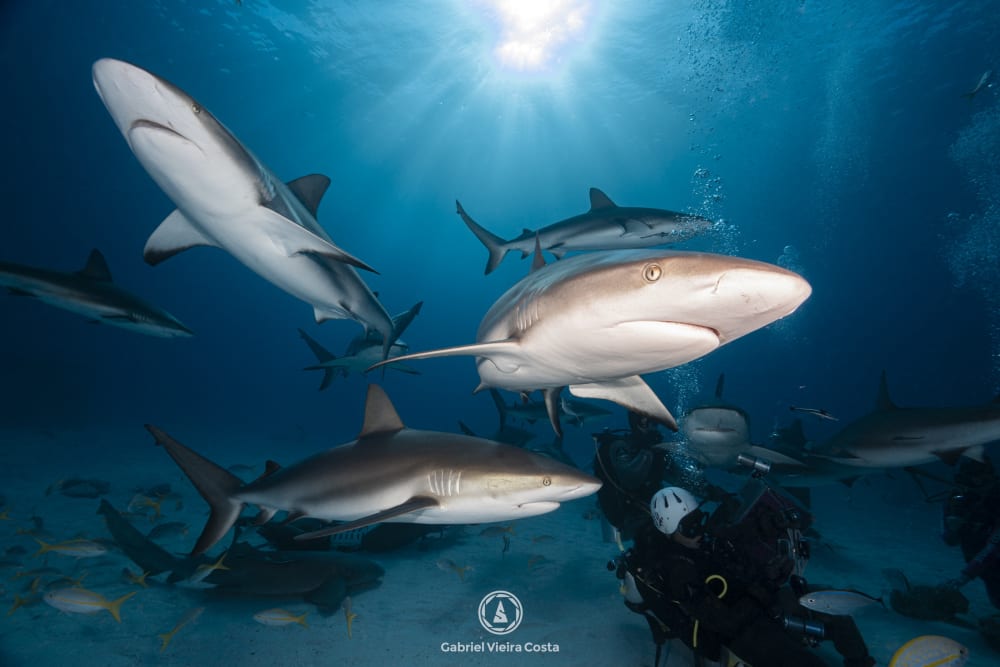
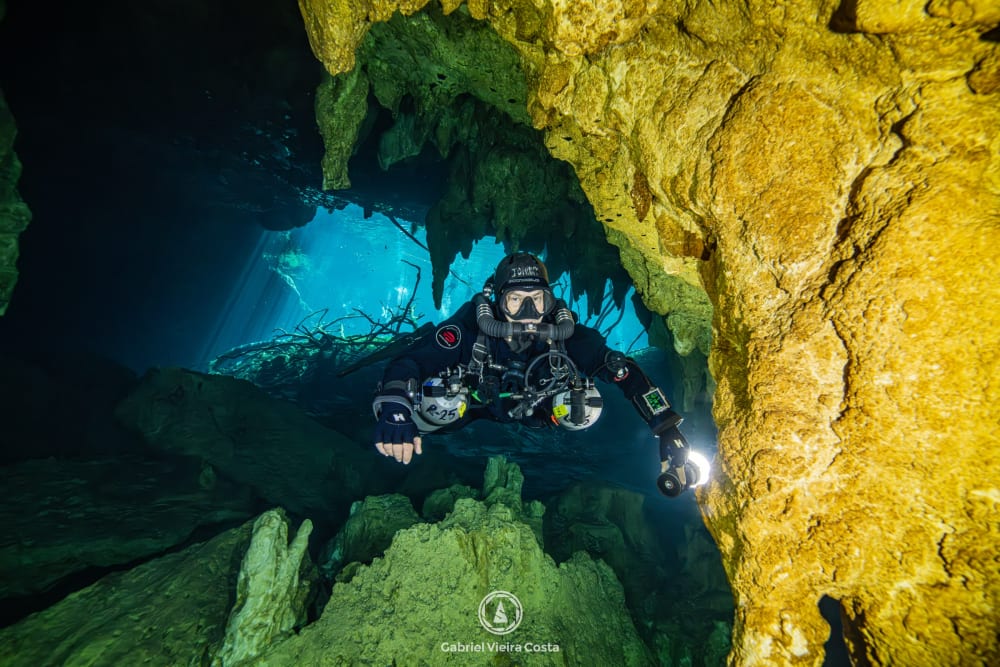
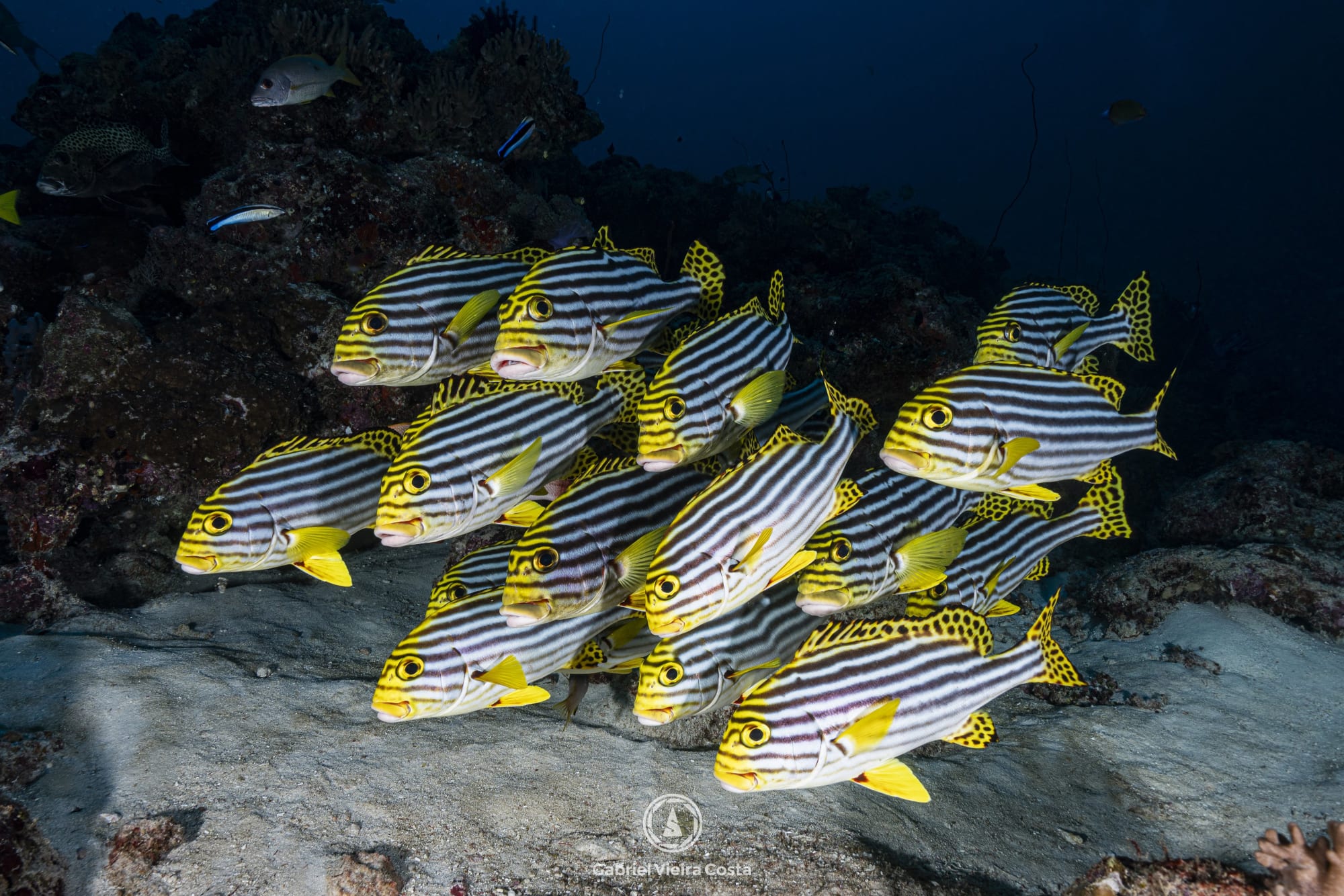
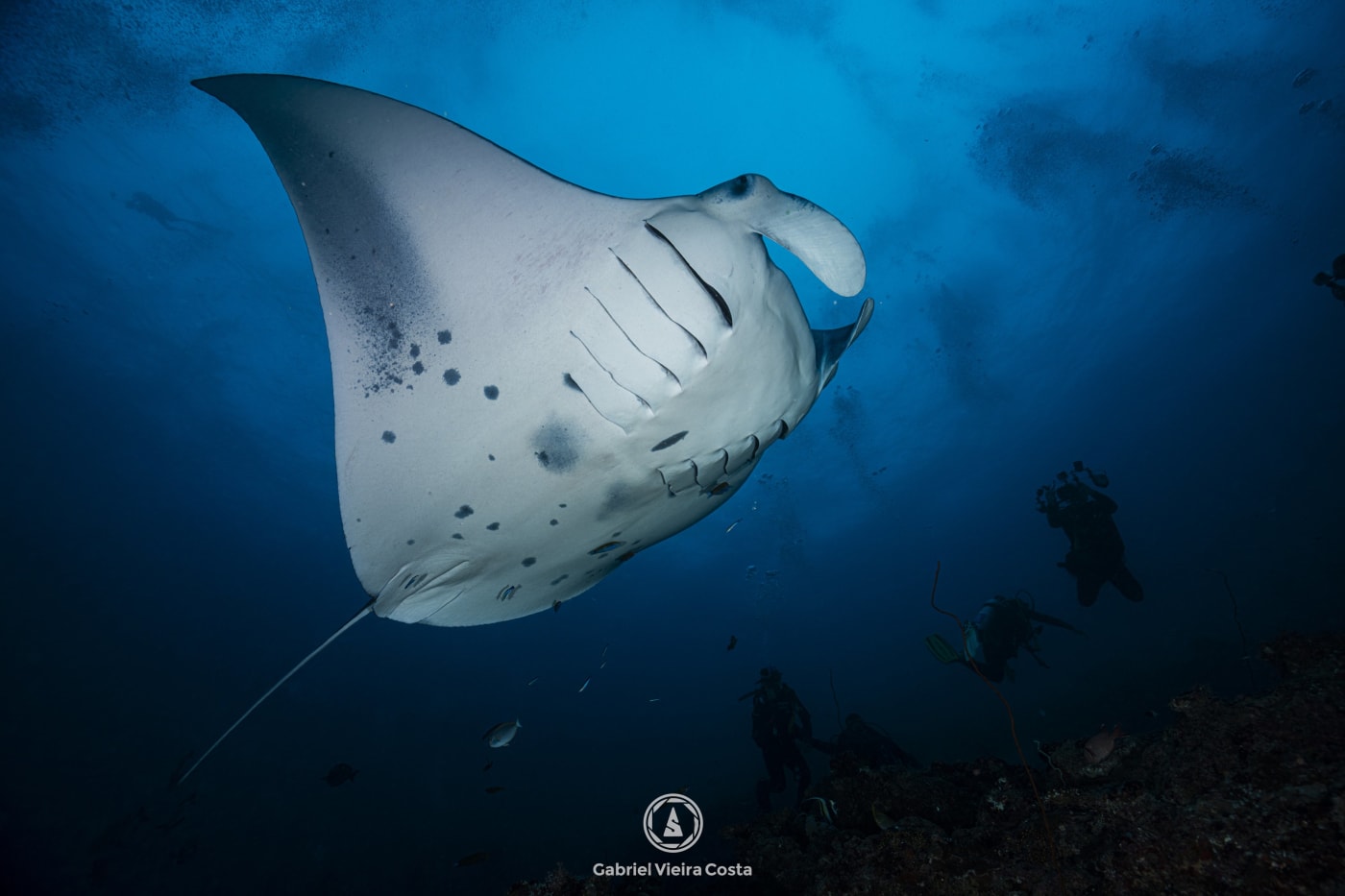
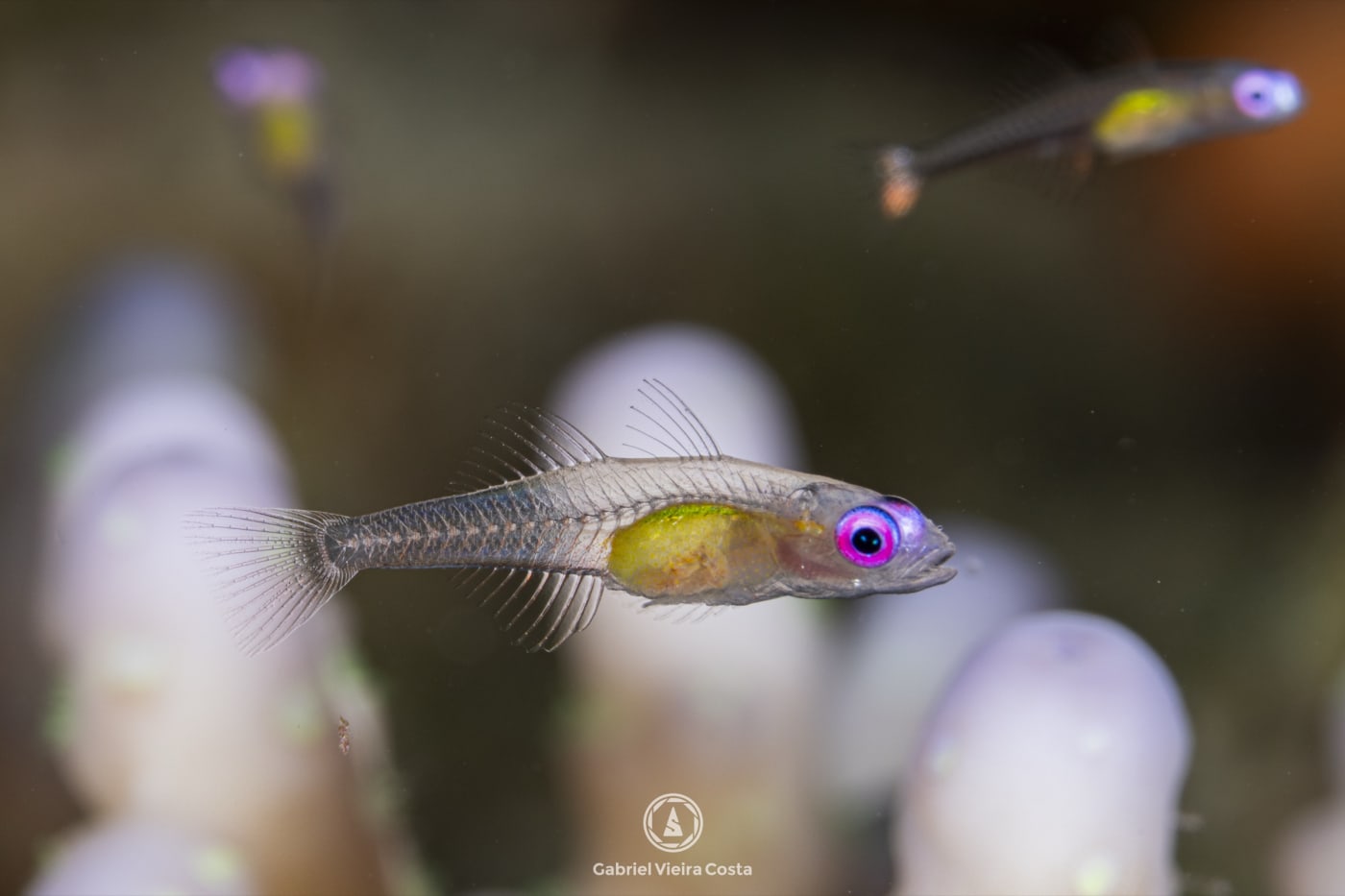
Disclosure: I am Isotta's official representative in Brazil, through Dive For Fun, and this is the housing behind every photo on this site. The criteria that apply to any brand are in the general housing guide.
- Anodized aluminum and a 100 meter working depth on the Sony A7R V housing.
- Moisture sensor with a warning light, included with the housing.
- Vacuum system and trigger as options, so you build it your way.
- Custom engraving: your name or your logo on the housing.
- Housings, ports, arms and the RED64 strobe from the same factory.
Step 1: start with the camera
With Isotta, the question is not which housing to buy but for which camera. Each model has its own housing, and one extra letter in the camera's name can already mean a different housing. The current line looks like this:
- Mirrorless: Sony (Alpha 7R V, Alpha 7 IV, Alpha 7S III, Alpha 1 II, Alpha 6600), Canon (EOS R5 Mark II, EOS R6 Mark III), Nikon (Z 8, Z 9, Z 6III), OM System (OM-1, OM-5) and Panasonic Lumix GH5.
- DSLR: Nikon D850, D780 and D500, Canon EOS 5D Mark IV, among others.
- Compacts: Sony RX100 VII, Canon PowerShot G7 X Mark III and OM System Tough TG-7.
- Action cameras: GoPro HERO9 to HERO13 Black, DJI Osmo Action 6 and Insta360 Ace Pro.
- Professional cameras such as the RED V-Raptor, and a smartphone housing.
Still buying the camera? Look for the housing first.
Step 2: the port and dome for each lens
The front of the housing takes the port, held by a bayonet. On Sony mirrorless the mount is B120. Wide angle lenses go behind a dome, which restores the lens's angle of view underwater. Macro lenses go behind a flat port. When the lens needs it, an extension ring of the right length goes in between, and a zoom or focus gear carries the control to the lens.
You do not need to guess: Isotta publishes a port chart for each system. Find your lens and the chart gives you the gear, the extension and the compatible ports. My setup, taken from the Sony B120 chart:
- Sony FE 16-35 mm F4 ZA: zoom gear 2355, 70 mm extension and a dome. The chart accepts 6, 6.5, 8 and 9 inch domes and marks the 8 or 9 inch as the optimal configuration.
- Sony FE 90 mm F2.8 Macro: focus gear 2302 and a macro port. It gives three options: 40 mm extension with the H82 port, 30 mm with the H92, or the H121 port with no extension.
- The domes in the chart: 6 inch polycarbonate, 6.5 inch crystal, 8 inch polycarbonate and 9 inch crystal.
New lens? Open the port chart before you buy it.
Step 3: assembly and vacuum test
The vacuum system is your camera's insurance. You pump a little air out of the housing and a light shows whether the pressure holds. If it does not, a seal is open, and you find out at the table, not at 20 meters. On Isotta the vacuum system is optional, but the housing comes ready for it. The routine I follow, from the Isotta manual:
- Assemble in a cool, dry place, ideally with air conditioning. Warm, humid air trapped in the housing is what fogs the glass.
- Check every O-ring: clean, no hair, no twist, with only a thin film of silicone grease. Never petroleum jelly.
- Fit the camera, close the back and mount the port for the lens you will use.
- Turn on the vacuum: the light flashes red every 3 seconds when ready. Pump until it flashes slow green and stop. Too much vacuum can upset the camera or lens.
- Wait 10 minutes. If the light stays green only, the housing is sealed. If it goes back to red and green, or red, check the port, caps and O-rings and repeat the test.
Light not green, the camera stays on the boat.
Care before and after the dive
Almost every flood starts out of the water: a dirty O-ring, a port not fully seated, a housing left in the sun. These are the precautions the Isotta manual asks for, and the ones I follow:
- New housing, new O-ring or back from a flight: first dive without the camera, as a test.
- Never fly with it sealed: remove the port or the back, or the O-rings, and protect the dome.
- Out of the water, keep it in the shade. No sun, and never forget it in the car.
- After the dive, rinse in fresh water with the housing closed, pressing every button.
- Remove the port after each dive. Ports and rings left mounted for more than 24 hours stress the seal.
- Replace the main O-rings once a year and use only original O-rings.
- Service every 2 years or 500 dives, whichever comes first.
Moisture alarm went off? Ascend calmly and get the camera out of the water.
Accessories: arms, strobes and continuous light
The housing is the core, but the photo depends on what is attached to it. Isotta itself makes float arms in 25, 50 and 70 mm, ball joints, clamps, trays and handles, plus the RED64 strobe: guide number 22 underwater, 5,300 K and rated to 100 meters.
The strobe can be another brand. The A7R V housing comes with two fiber optic connections, but the camera has no built-in flash, so firing the strobes needs the optional trigger (manual or HSS). I use Sea & Sea YS-D130R strobes fired by fiber optic.
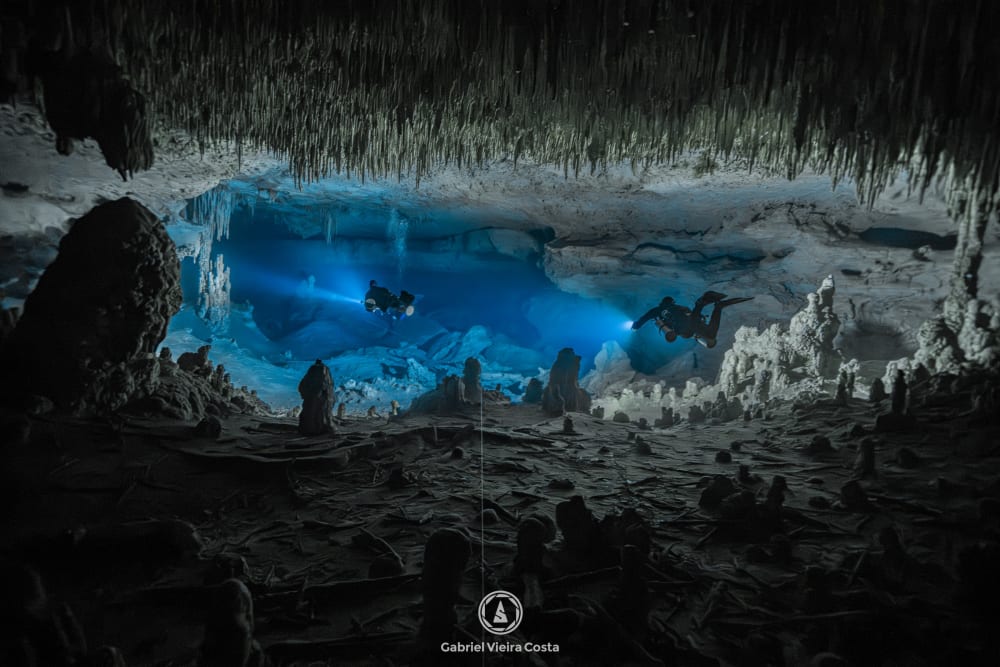
In caves I do not use strobes: only continuous light, with two 11,000 lumen video lights and Big Blue support lights of 36,000 and 20,000 lumens. Isotta does not make video lights; they mount on the same arms and clamps.
Buying through Isotta Brasil
Dive For Fun is the only Brazilian dealer on Isotta's official list. This is how it works:
- A conversation: you tell us your camera, your lenses and what you want to shoot. The consultation is free.
- Configuration: we put together housing, port, extension, arms, lights and accessories from Isotta's chart.
- The most requested items ready to ship, or any catalog item ordered straight from the factory in Italy.
- Assembly and first adjustments together with you.
- Service, maintenance and the official Isotta warranty, handled here in Brazil.
By Gabriel Vieira Costa, underwater photographer, World Top 10 at 35AWARDS 2025 and 2026 and SDI/TDI Instructor Trainer.